When you think about iconic titles that revolutionized gaming or at least its genre, you usually know, that the people responsible for those titles were massive gaming fans. One of those people is Shinji Mikami, who is most well-known for the Resident Evil series. Those games popularized the survival horror genre and set a benchmark for atmospheric storytelling, intense gameplay, and unforgettable moments. But Shinji Mikami’s beginnings aren’t connected to video games at all.
I wasn’t originally interested in games too much.
Shinji Mikami
Archipel documentary
That’s right – the creator of one of the most influential games in the survival horror genre was not interested in video games. It all changed thanks to his high school friend, who started taking him to the arcade and finally, through a page from a magazine about a wrestling game, managed to convert Shinji Mikami to the gaming world.
But that was still not when Mikami started to think about games as a career. He wanted to work in a company where he could make something. So of all places, he applied to Nippon Steel Corporation but got rejected.
This is where his friend again swooped in and came to the rescue. Mikami was looking for other companies to apply to, and his friend showed him a flyer – “Reception party at Osaka’s Hilton Hotel”.
I figured I could eat for free at the Hilton, a bargain for a poor student, right?
Shinji Mikami
Archipel documentary
The company responsible for everything was none other than Capcom which was looking to fill a few positions for their upcoming projects. And guess what? That still wasn’t what interested Mikami. But it all changed during the event when he was listening to the chairman of the company saying that Capcom would be listed on the Tokyo Stock Exchange. This ambition was what eventually convinced Mikami to apply to Capcom. He liked the idea of working with people like that. But if you think that this was the moment everything went right, you are wrong.
Shinji Mikami got rejected after the interview.
You see, the interview was a 2-part event. The first part was a written test and afterward it was an interview with company people. However the test wasn’t graded before the interviews started, so everyone took part. Apparently Mikami failed the written part and after his interview, got called into the pool of people who got rejected.
I thought it was over, but one week later the phone rang. It was Capcom telling me that there has been a mixup and that I had been accepted.
Shinji Mikami
Archipel documentary
It wasn’t until a year later that Mikami found out that he scored poorly on the written test, but his superiors Okamoto and Fujiwara talked to HR and asked to let him and three others pass. Since then, they were called the Zombie Group – died and brought back to life.
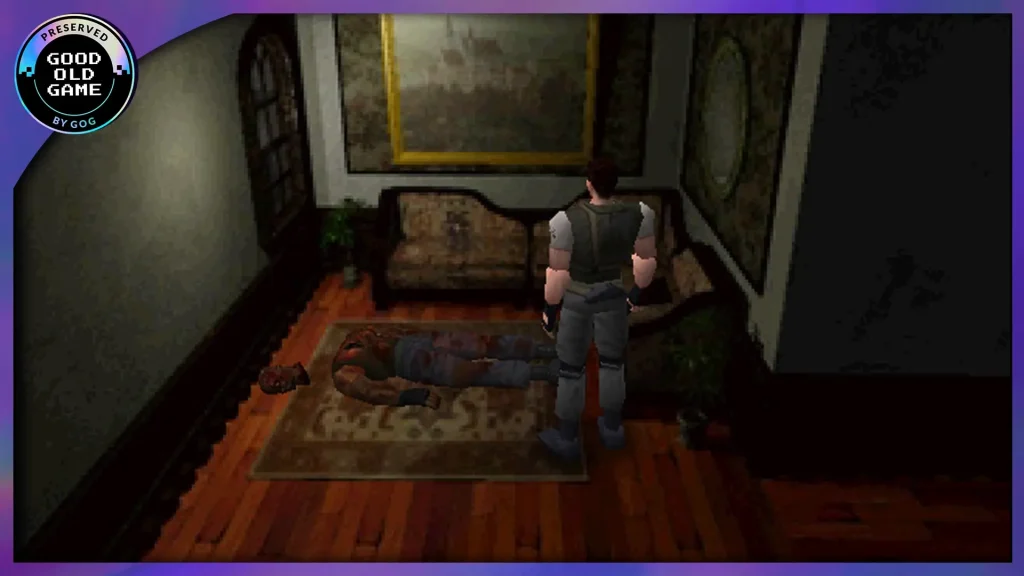
The Birth of a Nightmare
After creating a few games for NES under Capcom, Shinji Mikami was actually thinking about quitting. The hours needed to create some of the games took their toll and he had enough. But his plans were thwarted by his immediate superior quitting before him. This way he had no one to hand his resignation to.
But his career path was about to change when he was approached by Tokuro Fujiwara who told him to make a horror title based on the systems used in a game called “Sweet Home”. It was a Capcom title for Famicon from 1989 that was an adaptation of a Japanese horror movie. This is when Resident Evil started. Even though Sweet Home and Resident Evil share some systems and inspirations – like the door opening sequence, Mikami had plans to introduce a lot of changes to distinguish those two titles and not make a new version of Sweet Home.
For that, Mikami spent some time fully deconstructing Sweet Home, finding what made it what it was, and then making it his own. The first element Mikami introduced was the monsters. And if you think “zombies” you’re wrong. For the first month, the main monsters were ghosts, as it was what Mikami thought was the scariest, at least for him. But when he thought if the game would be successful, he decided it would be scary, but wouldn’t sell a lot. This is when he remembered Dawn of the Dead movies. This memory added two important elements to the game that are now staples of the genre. First of all was a change in monsters – zombies replaced ghosts. But the second thing was the guns.
I remember watching Dawn of the Dead back in junior high. The characters would struggle to survive. You would look and yell at them when they took the wrong decisions. (…) But in a game, you can choose whether to fight or to run away
Shinji Mikami
Archipel documentary
But Dawn of the Dead wasn’t the only inspiration for Mikami. He originally envisioned Resident Evil as a first-person shooter, inspired by the Texas Chainsaw Massacre scene of opening doors and Leatherface killing the character. He thought that this was the element of suddenty that would be scary. Unfortunately, Capcom wasn’t versed in 3D, so that idea had to be scrapped. Fortunately, another game helped to shape Resident Evil’s style. Shinji Mikami saw Alone in the Dark and decided, that if they prerender the backgrounds, it could work. There of course were hoops to jump – like having to apply tank controls, because the time was running out and the game was due to be released.
Fortunately, a lot of players told Mikami in later years that the view in the game was what made it scarier, which still didn’t stop Mikami from being embarrassed. It wasn’t until Resident Evil 4 that he finally got to partially deliver his vision with an over-the-shoulder camera view.
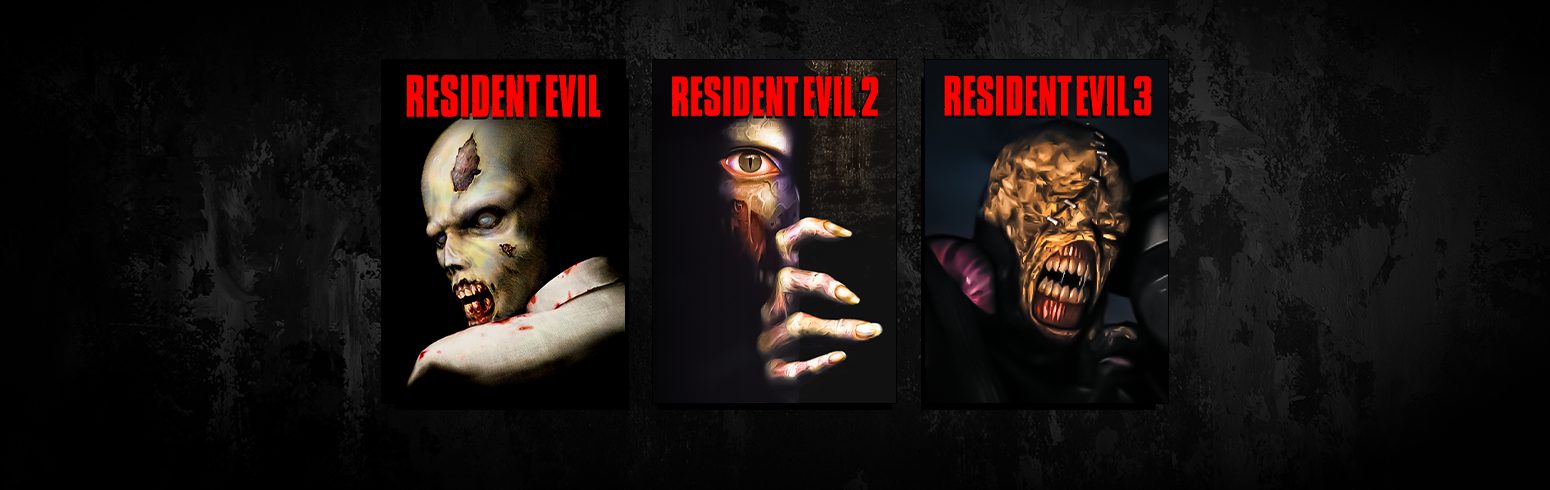
In 1996, Resident Evil (originally called Biohazard in Japan) came to light and jumpstarted the survival horror genre that inspired many other titles, movies, books, and other types of media for years to come.
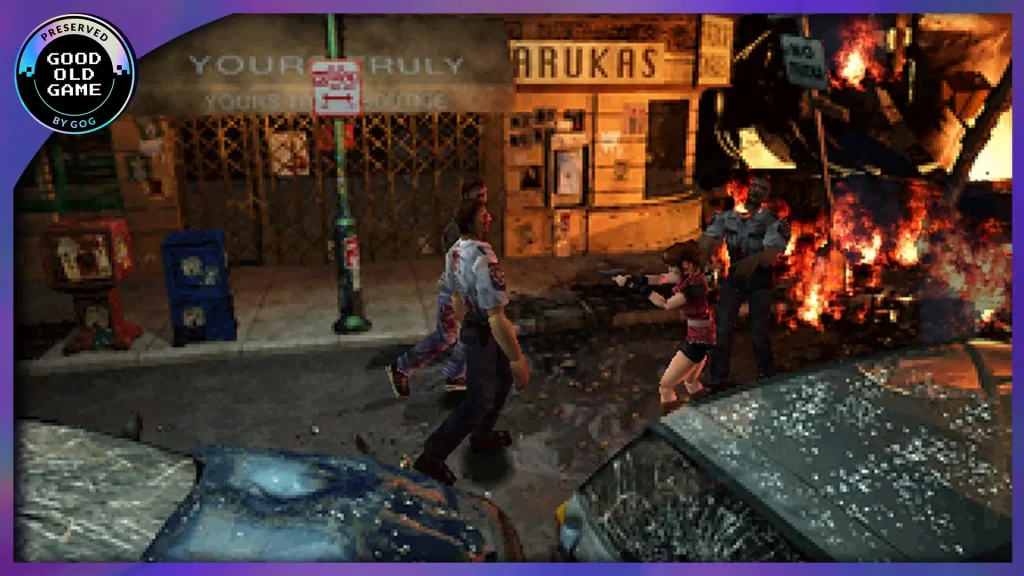
Building Upon Fear
The success of the first game paved the way for Resident Evil 2, which took the series to new heights. Released in 1998, the game introduced a real-time clock that affected events within the game, adding to its immersive quality. Players were thrust into the chaos of Raccoon City, navigating through streets teeming with the undead and uncovering more about the sinister Umbrella Corporation.
The development of Resident Evil 2 was not without its hurdles. Originally, the game featured an entirely different storyline, now known as Resident Evil 1.5, but it was scrapped midway through development. The team, led by Mikami and Hideki Kamiya, reworked the plot and characters, resulting in the version that fans know and love today.
He had a great visual taste. He has great views towards making a universe (…) the game had to add more entertainment. This is why the second game is accessible to more people
Shinji Mikami
Archipel documentary
In addition to its improved graphics and expanded storyline, Resident Evil 2 introduced new characters like Leon S. Kennedy and Claire Redfield, who have since become iconic figures in the franchise. The game’s multiple scenarios and endings enhanced its replayability, making it a favorite among fans.
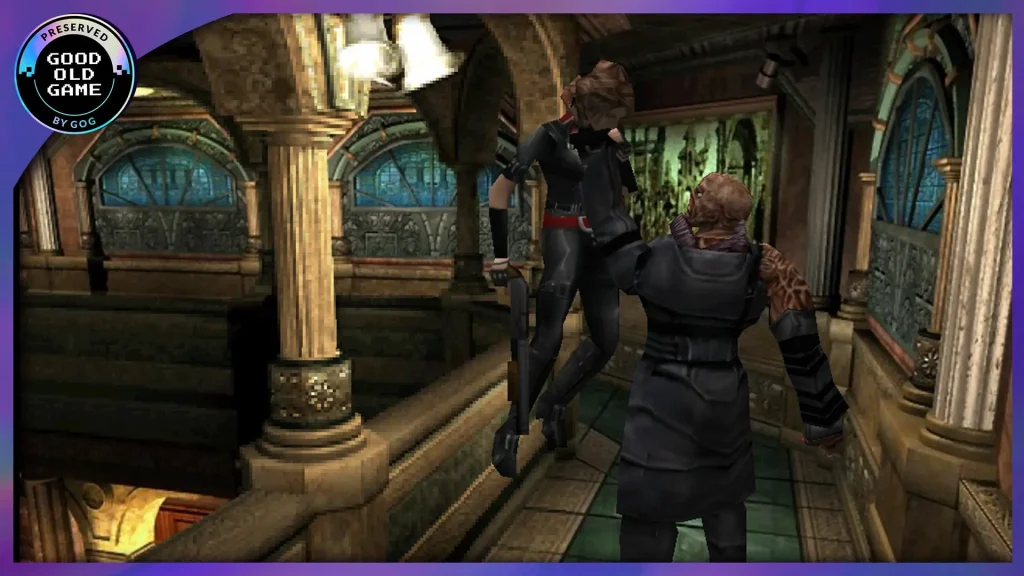
Nemesis
The third installment, Resident Evil 3: Nemesis, released in 1999, added a new layer of terror with the introduction of the titular Nemesis, a relentless bio-weapon designed to hunt down the game’s protagonist, Jill Valentine. This installment refined the series’ mechanics, offering improved graphics and introducing new gameplay features like the ability to dodge enemy attacks.
Nemesis’s presence brought a new level of urgency and unpredictability to the game, forcing players to stay on their toes at all times. This relentless pursuit added a fresh layer of tension, making Resident Evil 3 a standout entry in the series.
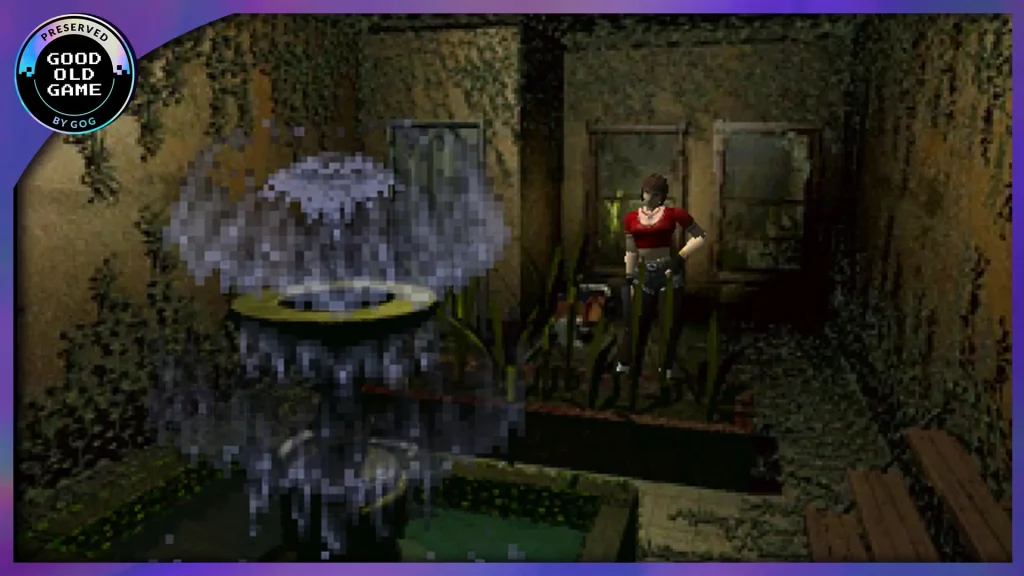
What is most interesting about this installment is that it wasn’t meant to be a numbered title. Mikami and his team wanted to change things up and make a game for core fans. But the company asked them to make it a core title, so they had to change a lot of things so that the game would be accessible to more players than just core fans. Mikami states, that because of that the quality is on the lower end. Eventually, it was politics between Capcom and the console manufacturing company that prevented Nemesis from being something more.
Enduring Legacy
The first three Resident Evil games laid the foundation for what would become one of the most celebrated franchises in gaming history. Each installment built upon the success of the previous one, refining the gameplay and deepening the lore surrounding the Umbrella Corporation and the T-virus outbreak.
More than two decades later, these games are still celebrated by fans and continue to influence modern horror games. Their impact is evident in the numerous remakes, adaptations, and new titles that keep the spirit of Resident Evil alive.
Media Inspired by Resident Evil
The success of the Resident Evil series has inspired a wide range of media across various genres and formats. Here are some notable examples:
Video Games
- Silent Hill: Often compared to Resident Evil, Silent Hill is another iconic survival horror series that drew inspiration from Resident Evil’s success.
- Dead Space: This sci-fi horror game series features similar survival mechanics and a focus on resource management.
- The Last of Us: While not a direct copy, The Last of Us incorporates elements of survival horror and a strong narrative focus, much like Resident Evil.
Movies and TV Shows
- Resident Evil Film Series: The Resident Evil movie series, starting with the 2002 film directed by Paul W.S. Anderson, brought the game’s story to the big screen.
- 28 Days Later: This film features a zombie outbreak and shares thematic similarities with the Resident Evil series.
- The Walking Dead: The popular TV series and comic book series draw clear inspiration from the zombie survival horror genre popularized by Resident Evil.
Books and Comics
- Resident Evil Novels: A series of novels based on the Resident Evil games, expanding the lore and providing deeper insights into the characters and events.
- Resident Evil: The Umbrella Chronicles: A comic series that explores the history of the Umbrella Corporation and its role in the T-virus outbreak.
Stage Plays and Other Media
- Resident Evil Live-Action Cutscenes: These were used in the original games and have inspired various stage adaptations and performances.
- Resident Evil: Infinite Darkness: An animated series that delves into the events between Resident Evil 2 and Resident Evil 3.
The influence of Resident Evil extends far beyond its own series, shaping the landscape of horror media and inspiring countless other works. Its legacy continues to grow, proving that the fear and excitement it brought to players and viewers alike are timeless.