Hello there! I remember the first time I watched Star Wars. I was a bit too young when they originally came out, being not even born, so I never watched them in a movie theater. But I did watch them in my home and instantly fell in love with them. In the ever-present battle between Trekkies and Star Wars fans I side with the Lightsabers over Phasers. And I mean, come on – warp speeds, USS Discovery and “beam me up, Scotty” are very cool. But a lightsaber? A LIGHTSABER? Who wouldn’t want one? At this moment in time we’re getting closer to it – Disney has made their own retractable Lighsaber that looks amazing, Hacksmith made their own plasma lightsaber that cuts through blast doors like butter and we have tons of other lightsaber variants for looks and duelling.
But this is now, and back then we had none of this. We had sticks on the playground and our own imagination. But those were so primitive. We needed something better. Something less clumsy and random than a stick. We needed another way to immerse ourselves in Star Wars world. A more elegant way for a more civilized age.
Let’s dive in to the history of Star Wars games, not in a chronological order, but more in terms of how those games inspired each other.
No, I am your father
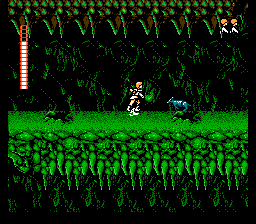
Years before we could feel the heft of a lightsaber hilt in our hands or the rumble of a Star Destroyer through our headphones, the Star Wars universe began its interactive journey in a more… pixelated form. The early 8-bit and 16-bit consoles were the nascent training grounds for a generation of Star Wars gamers. These weren’t just simple movie tie-ins; they were often ambitious attempts to translate the cinematic magic into engaging gameplay, constrained only by the era’s technological limitations.
Games like the original Star Wars on the NES, despite its sometimes unforgiving difficulty and abstract representations, allowed players to navigate iconic scenes, from piloting an X-Wing down the Death Star trench (in a surprisingly engaging sprite-based sequence) to battling Darth Vader in a rudimentary lightsaber duel. The Super Star Wars trilogy on the SNES – a series of action-platformers – offered a more visceral experience, with larger sprites, more detailed environments, and a genuine sense of scale as Luke, Han, and Leia blasted their way through hordes of stormtroopers and faced off against memorable villains. These games, while operating within the side-scrolling paradigm, instilled in players the fundamental joy of participating in the Star Wars saga.
Even in these early days, the seeds of future genres were being sown. The sidescrolling perspective of the snowspeeder sequence in the Atari 2600’s The Empire Strikes Back, or the rudimentary X-Wing sections in the NES Star Wars, were the primordial ancestors of the sprawling space combat simulators that would later define a significant portion of the Star Wars gaming landscape. These early experiences, though basic, tapped into the core fantasy of piloting iconic vehicles and engaging in thrilling battles.
Rise of the PC
The transition to the “Modern Era,” marked significantly by the rise of the personal computer as a powerful gaming platform, ushered in an era of unprecedented immersion and genre diversification within the Star Wars universe. The increased processing power and graphical capabilities of PCs allowed developers to realize their visions with a level of fidelity previously unimaginable.
The Force Unleashed in First and Third Person: The Legacy of Dark Forces
In 1995, LucasArts dropped a bombshell: Star Wars: Dark Forces. This wasn’t a side-scroller or a top-down shooter; it was a full-fledged first-person shooter set in the Star Wars universe. Utilizing a custom made Jedi Engine Dark Forces allowed players to step into the boots of Kyle Katarn, a former Imperial officer turned mercenary who becomes embroiled in the Rebel Alliance’s fight against a new Imperial superweapon.
Dark Forces was revolutionary for several reasons. Firstly, it proved that the Star Wars universe could thrive in a first-person perspective. The environments felt tangible, the stormtroopers menacing up close, and it paved the way for the introduction of a lightsaber as a melee weapon in an FPS in further installments. The combat was visceral, requiring players to aim, strafe, and manage their limited ammo effectively. Secondly, Dark Forces introduced a compelling original character in Kyle Katarn, a character with a morally grey past who undergoes significant development throughout the game. This demonstrated that Star Wars games could tell their own compelling stories beyond the established movie narratives.
The impact of Dark Forces is undeniable. It laid the foundation for the entire Jedi Knight series. The fluid lightsaber combat and Force powers that became hallmarks of Jedi Knight: Dark Forces II, Jedi Outcast, and Jedi Academy can trace their lineage directly back to the initial implementation in Dark Forces. The very idea of a Jedi protagonist in a first-person perspective, learning and mastering Force abilities, was largely pioneered by Kyle Katarn’s journey. Without the critical and commercial success of Dark Forces, it’s highly likely that this entire sub-genre of Star Wars gaming would never have materialized in the way it did. Kyle Katarn wasn’t just a character; he was a catalyst.
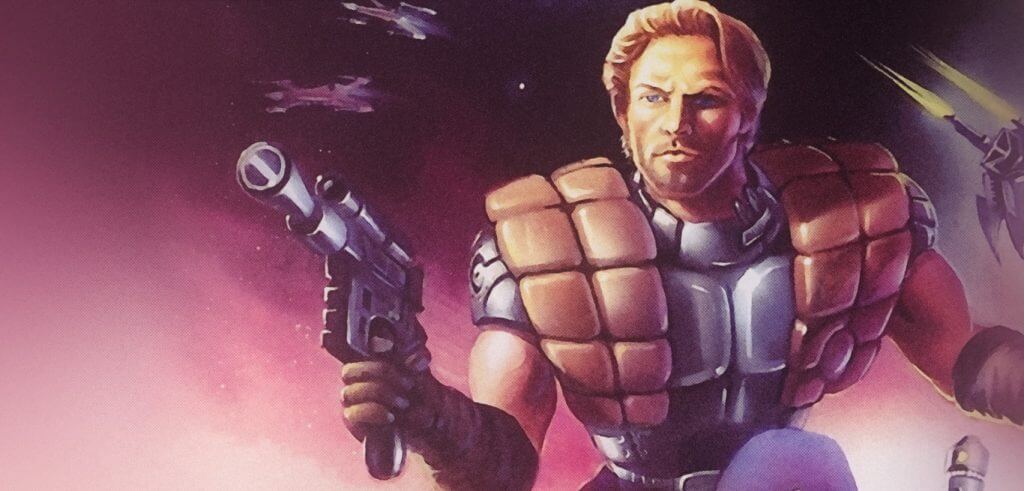
Without Dark Forces paving the way two other games wouldn’t be possible – Shadows of the Empire and Force Unleashed.
Shadows of the Empire was released a year after Dark Forces, and it actually used the level editor from Jedi Engine, even though the game itself is vastly different. First of all, it’s of course Third Person, with different abilities, weapons, storylines, and even a different protagonist – Dash Rendar. The game itself focuses on the story that happened between Empire Strikes Back and Return of the Jedi, with player starting on Hoth and flying with the Rogue Squadron against the AT-AT assault on the base. This one section is my absolute favorite from the game, and it also paved the way (partly, with X-wing and TIE Figher games before) for the Rogue Squadron Games.
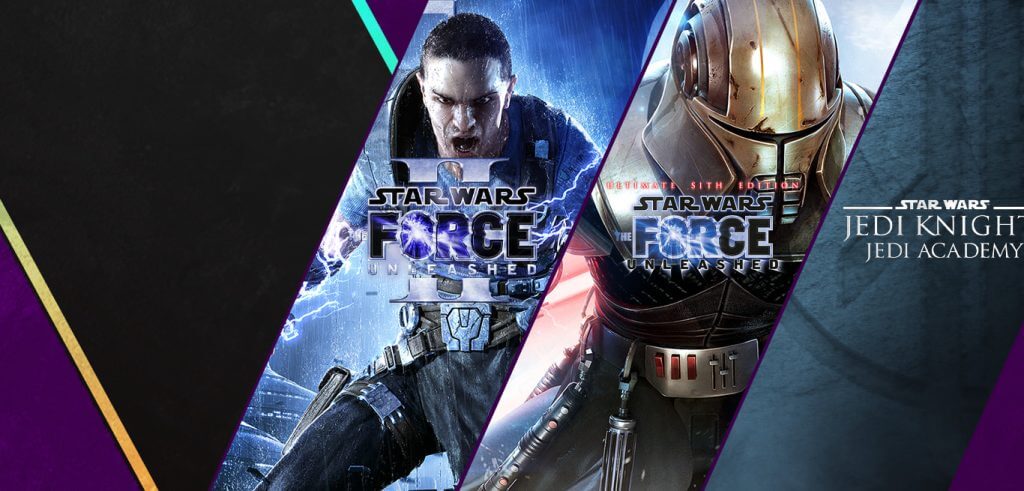
But all of this is just blasters and speeders. I want to use The Force. A LOT! For those seeking a more visceral understanding of the Force, a chance to move beyond the role of spectator and truly experience its raw power, Star Wars: The Force Unleashed offers an unparalleled opportunity. Stepping into the boots of Starkiller, a secret apprentice to Darth Vader, players are thrust into a world where the Force is not just an abstract concept but a tangible force to be unleashed. Unlike passively observing Jedi Knights in the films, players actively engage with the Force, wielding it with devastating effect. Imagine the thrill of telekinetically seizing enemies and hurling them across vast distances, or the electrifying sensation of channeling raw Force lightning from your fingertips. The game allows players to not only witness the destructive potential of the dark side but to actively embody it, providing a unique perspective on the intoxicating allure and the inherent dangers of such immense power. And to be fair – using the Force to bring down and Imperial Star Destroyer? Yes, please.
Attack of the Battlefront
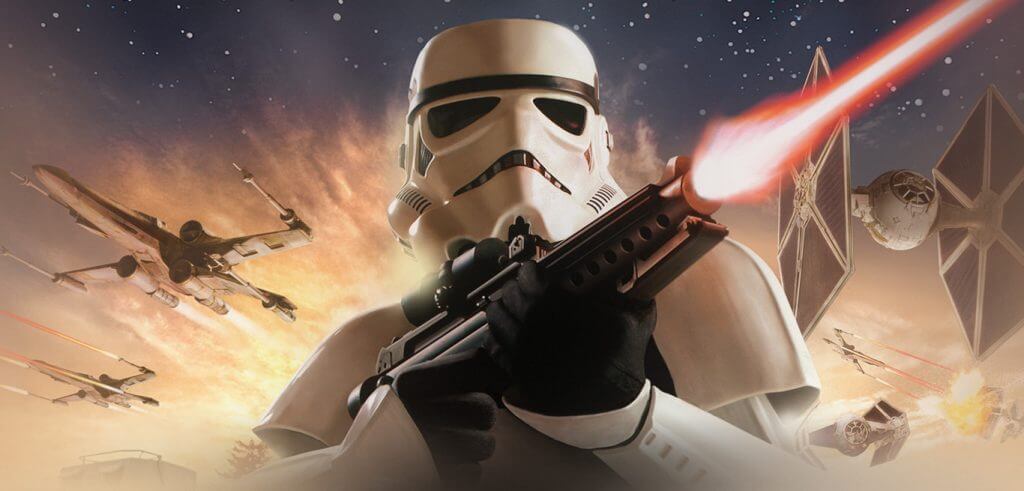
While Dark Forces offered an intimate first-person perspective on the Star Wars conflict, the Battlefront series aimed for something much grander: massive, sprawling battles across iconic planets, allowing players to experience the epic scale of the galactic civil war firsthand.
The original Star Wars Battlefront, released in 2004, was heavily inspired by the Battlefield series, transplanting its core mechanics – large maps, capture points, vehicle combat, and the ability to play as different classes – into the Star Wars universe. For the first time, players could participate in large-scale engagements as a Rebel trooper storming a beach on Kashyyyk, a clone trooper defending a command post on Geonosis, or even as iconic heroes like Luke Skywalker or Darth Vader (in the sequel).
Star Wars Battlefront II (2005) expanded upon this formula significantly, adding a compelling single-player campaign that followed the 501st Legion under the command of Darth Vader, bridging the gap between the prequel and original trilogies. It also introduced space combat, allowing players to pilot starfighters and engage in dogfights above the planetary battlefields. This addition was a direct nod to the enduring popularity of the X-Wing and TIE Fighter series, demonstrating the demand for diverse vehicle gameplay within the Star Wars universe.
The impact of the Battlefront series lies in its ability to fulfill the fantasy of participating in the grand battles we witnessed on screen. It wasn’t just about playing a character; it was about being a part of the larger conflict, whether as a grunt on the ground or a pilot soaring through the stars. The series also fostered a strong sense of community, with its focus on multiplayer battles. While later iterations of Battlefront (developed by DICE) have their own merits and controversies, the core concept of large-scale Star Wars battles, playable from multiple perspectives, owes its inception and initial success to the original Battlefront games. They established a new way to experience the Star Wars saga interactively, focusing on the collective experience of war rather than the individual hero’s journey.
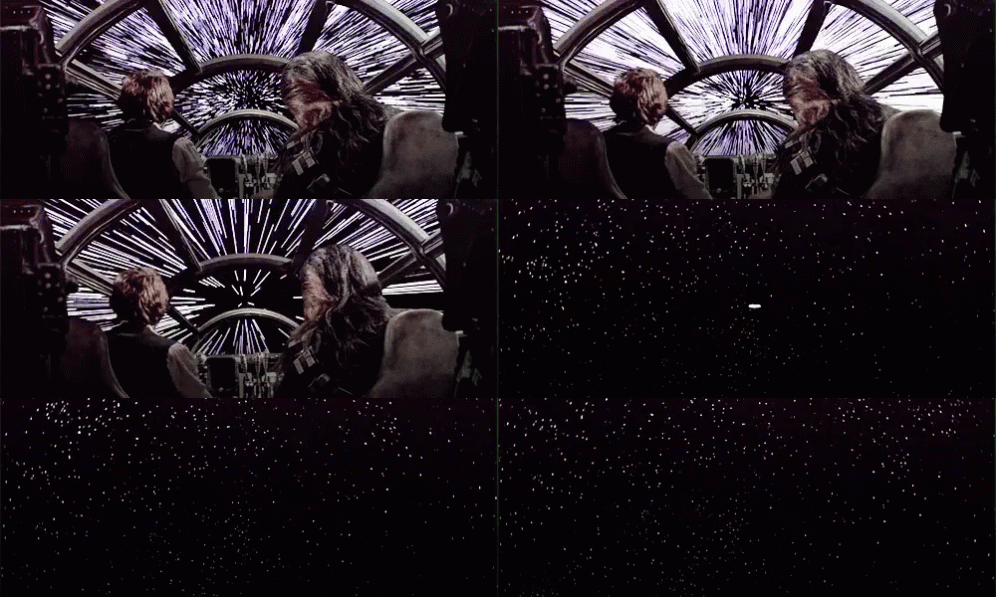
The fastest hunk of junk in the galaxy
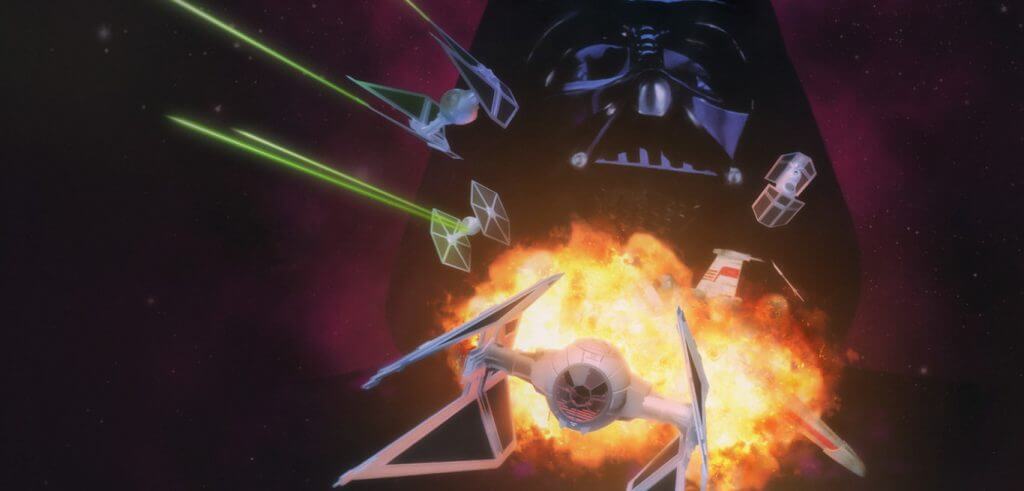
For many Star Wars fans, the dream of piloting an X-Wing or a TIE fighter was as potent as wielding a lightsaber. The X-Wing and TIE Fighter series, launched in the mid-1990s, didn’t just fulfill that dream; they elevated it to an art form. These weren’t arcade-style shooters; they were intricate space combat simulators that demanded skill, strategy, and a deep understanding of flight mechanics and energy management.
Star Wars: X-Wing (1993) put players in the cockpit of iconic Rebel Alliance starfighters, from the nimble A-Wing to the heavily armed Y-Wing, as they participated in key battles from the original trilogy. The game was groundbreaking for its time, offering a level of realism and immersion in space combat that was unprecedented. Players had to manage their shields, engines, and weapons systems, learn to execute complex maneuvers, and coordinate with their wingmen to survive the intense dogfights against Imperial forces.
Star Wars: TIE Fighter (1994) flipped the script, allowing players to join the ranks of the Imperial Navy and pilot their iconic starfighters, from the agile TIE fighter to the devastating TIE bomber and the advanced TIE interceptor. Playing as an Imperial pilot offered a fresh perspective on the galactic conflict, often with morally ambiguous mission objectives that added depth to the Star Wars narrative beyond the traditional Rebel heroism. TIE Fighter is often lauded for its refined gameplay, compelling campaign, and the sense of power it gave players as they flew in formation and unleashed the might of the Imperial fleet.
The impact of the X-Wing and TIE Fighter series on Star Wars gaming is profound. They established a benchmark for space combat simulators within the franchise and beyond. Their detailed flight models, intricate mission design, and immersive atmosphere demonstrated the potential for complex and engaging gameplay within the Star Wars universe, appealing to a different audience than the action-platformers and early shooters. The legacy of these games can be seen in later space combat titles and even in the space battle components of games like Battlefront II and the more recent Star Wars: Squadrons, which explicitly draws inspiration from their immersive first-person cockpit view and focus on tactical dogfighting. These games weren’t just about shooting; they were about flying and mastering the intricacies of starfighter combat.
Rookie One
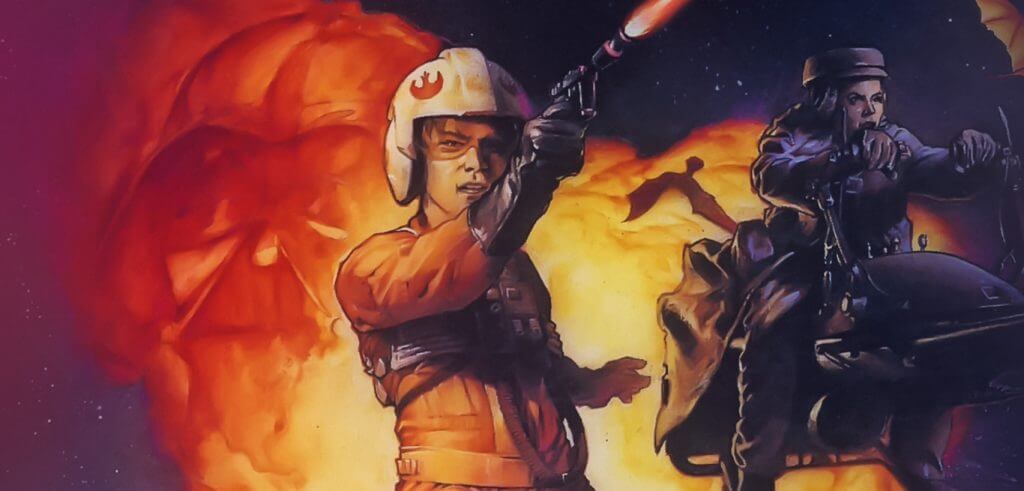
While Dark Forces and the X-Wing/TIE Fighter series focused on emergent gameplay within detailed 3D environments, Star Wars: Rebel Assault (1993) took a different approach to immersion. Utilizing full-motion video (FMV) and on-rails shooting sequences, Rebel Assault aimed to create an interactive movie experience, placing players directly into the action of the original trilogy in a visually striking way for its time.
Players controlled Rookie One, a talented pilot in the Rebel Alliance, as he participated in various missions, from dogfights against TIE fighters to bombing runs on Imperial installations and navigating treacherous asteroid fields. The gameplay was largely linear, with players reacting to on-screen prompts to shoot down enemies and navigate obstacles. The visual presentation, with its digitized graphics and FMV cutscenes, was groundbreaking for its era, offering a level of cinematic fidelity that pixel-based games couldn’t achieve.
While Rebel Assault‘s on-rails gameplay might feel restrictive by modern standards, its impact lies in its ambition to push the boundaries of interactive storytelling and visual presentation. It demonstrated a different way to immerse players in the Star Wars universe, focusing on a more guided, cinematic experience. While not directly influencing the core mechanics of later FPS or space combat simulators, Rebel Assault contributed to the broader exploration of how the Star Wars saga could be translated into interactive entertainment, showcasing the potential of then-cutting-edge multimedia technology. Its success likely encouraged LucasArts to continue experimenting with different approaches to interactive storytelling within the franchise.
A New Hope… For Your Character.
Beyond the action-packed shooters and immersive simulators, the Star Wars galaxy has also provided rich ground for role-playing games (RPGs). These titles allow players to dive deep into the lore, create their own characters, and make choices that significantly impact the story and their destinies. Among the most notable are Star Wars: Knights of the Old Republic (KOTOR) and its sequel, Star Wars: Knights of the Old Republic II: The Sith Lords. Released in the early 2000s, these BioWare and Obsidian Entertainment classics revolutionized Star Wars gaming by offering deep, story-driven RPG experiences set thousands of years before the movies. Those games are so far the only ones that dive deep into the Old Republic, introducing us to such important characters as Darth Revan, Darth Nihilus and Bastila Shan. So far, those games are not considered canon, but with their popularity, I wouldn’t count out at least some characters making an appearance and getting into the Disney-era canon. With Darth Revan already being made canon by The Rise of Skywalker: The Visual Dictionary, I would say we might see him on screen in the future, especially when Dave Filoni decides to dive into the Old Republic and High Republic era.
More recently, Star Wars Jedi: Fallen Order and Star Wars Jedi: Survivor have brought a modern take to Star Wars RPGs, blending action-adventure gameplay with strong RPG elements. These titles follow the journey of Cal Kestis, a Jedi Padawan on the run after Order 66. Players engage in challenging combat utilizing lightsaber duels and Force powers, while also progressing through skill trees, customizing abilities, and exploring diverse planets rich with lore and secrets. These games offer a more action-oriented experience while still providing significant character growth and narrative choices. If I could find the genesis for those titles, I would think about The Force Unleashed being one, while the Souls-like games being the other. We have the lightsaber and Force combat worthy of Force Unleashed with difficulty of the enemies from Dark Souls.
The Star Wars universe has also extended into the realm of Massive Multiplayer Online Role-Playing Games (MMORPGs), offering unique ways to experience the galaxy far, far away. Star Wars Galaxies, one of the earliest such titles, allowed players to create non-Jedi characters and focus on crafting, trading, and social interactions within a sandbox environment. Later, Star Wars: The Old Republic (SWTOR) combined the MMORPG format with BioWare’s storytelling expertise, offering players distinct class storylines within the Old Republic era, complete with voiced dialogue, branching narratives, and companions, creating a truly massive and immersive role-playing experience. SWTOR is still very much active, and even if not on par in terms of players with World of Warcraft or Final Fantasy XIV, it has a dedicated fanbase that loves playing the games and swinging lightsabers around.
The Force will be with You… always
The journey of Star Wars games is far from over. New titles continue to explore different facets of the galaxy far, far away, pushing the boundaries of technology and gameplay. The foundations laid by those early pixelated adventures, the immersive space combat simulators, the groundbreaking FPS experiences, and the cinematic experiments continue to resonate in modern titles. The connections are there, sometimes subtle, sometimes overt, but always present, reminding us that the interactive exploration of the Star Wars universe is a continuous evolution, built upon the dreams and innovations of the past.
As we look forward to future Star Wars gaming experiences, it’s worth remembering the pioneers who first dared to bring this galaxy to life in our homes. From the blocky X-Wings to the photorealistic starfighters, from the simple platforming to the complex Force powers, the journey has been epic, and the legacy of games like Dark Forces, Battlefront, X-Wing, TIE Fighter, and Rebel Assault continues to shape the interactive Star Wars galaxy we know and love.
May the Force be with you!